Do you avoid moisturizers, fearing they worsen oily skin? Many do, but skipping it can make things worse; your skin might produce more oil to compensate. This guide explores what matters when picking a moisturizer for oily skin. The right product can balance your skin without feeling heavy or greasy, whether your issue is shine, breakouts, or clogged pores.
Oily skin produces more sebum than other skin types. While sebum plays a crucial role in keeping skin healthy and protecting against environmental stressors, excessive sebum production can lead to clogged pores, blackheads, and acne. Often, people with oily skin also experience large pores, shine (especially in the T-zone), and makeup that doesn't stay in place.
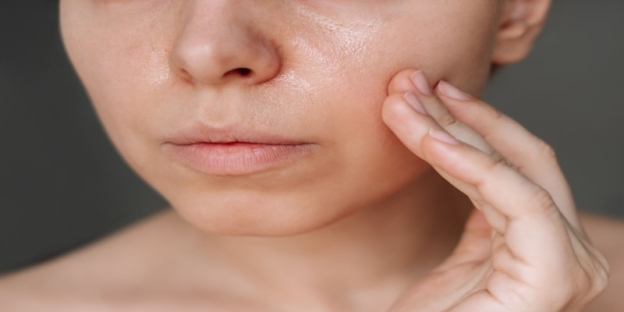
What many don't realize is that oily skin still needs moisture. Dehydration can trick the skin into thinking it needs to produce more oil, exacerbating the problem. Instead of avoiding moisturizers altogether, the goal should be to choose the right one.
Not all moisturizers are created equal, and if you have oily skin, you need to be picky. These are the features to keep an eye out for:
First, ensure the moisturizer is labeled as oil-free. That means it won’t contain heavy oils that can make your skin feel greasy. Non-comedogenic means the product won’t clog your pores—a must-have if you're prone to blackheads and acne.
Thick creams may work well for dry skin, but oily skin tends to do better with lightweight gels, fluids, or lotions. These absorb quickly without leaving a sticky or greasy finish behind.
Focus on ingredients that hydrate without adding oil. Here are some that tend to work well for oily skin:
Draws water into the skin, leaving it plump but never greasy.
Similar to hyaluronic acid, it helps retain moisture in your skin without causing oil buildup.
Known for balancing oil production and improving skin texture.
Soothes irritation and has antioxidant benefits.
Lightweight, calming, and lightly hydrating—ideal for those who experience occasional redness.
Avoid ingredients like coconut oil, cocoa butter, or petrolatum unless you’ve used them before without issue. These are often too heavy for oily or acne-prone skin.
Once you've picked a product, how do you know it's the right one? Pay attention to how your skin reacts over the first week. It should feel balanced—neither dry nor slick. If your skin starts breaking out more than usual or feels sticky long after applying, that may be a sign to try something else.

Also, notice how your makeup sits on your skin. A good moisturizer for oily skin should help your makeup apply smoothly and stay in place, rather than sliding off mid-day.
This depends on your routine and skin needs. A daytime moisturizer usually includes sunscreen or sits well under SPF. Look for gel creams with mattifying effects if you tend to get shiny by noon.
At night, your skin repairs itself, allowing you to benefit from a slightly richer formula, but it still needs to be oil-free. Nighttime products may include additional ingredients like retinol or peptides, which work better without sun exposure.
Yes, the weather matters. In the summer, oily skin can get even oilier. Switch to water-based gel moisturizers that feel almost invisible on the skin. In cooler months, even oily skin can become slightly dehydrated. You might need something with more staying power, but still lightweight.
Think of it this way: your skin’s needs shift slightly through the year, so your product choices can shift too. You don’t need an entirely new routine, but being flexible helps.
Some can. If your moisturizer includes ingredients like niacinamide or green tea, it may help regulate oil production over time. Hydrating your skin properly also helps reduce the overproduction of oil that often occurs due to dryness or irritation.
Keep in mind that no moisturizer will stop oil altogether. The goal is to balance it so your skin feels comfortable and looks fresh, not shiny.
If you're dealing with both oily skin and acne, choosing the right moisturizer becomes even more critical. Products that contain salicylic acid or tea tree oil can help treat acne while still hydrating your skin. But don't rely solely on treatment moisturizers. It's okay to rotate with a gentle, calming one on days when your skin feels irritated.
Stick to fragrance-free options whenever possible. Strong fragrances, even natural ones, can irritate acne-prone skin.
The right product won't help much if you're not applying it correctly. Here's what works:
Oily skin presents its challenges, but with the right products, it can appear balanced, clear, and fresh. The right moisturizer won't just hydrate—it will help regulate oil production, calm breakouts, and give your skin a smooth, healthy look. The key is to avoid heavy, greasy creams and opt for lightweight, oil-free options that effectively do the job without clogging your pores. With some trial and observation, you'll find one that feels right.